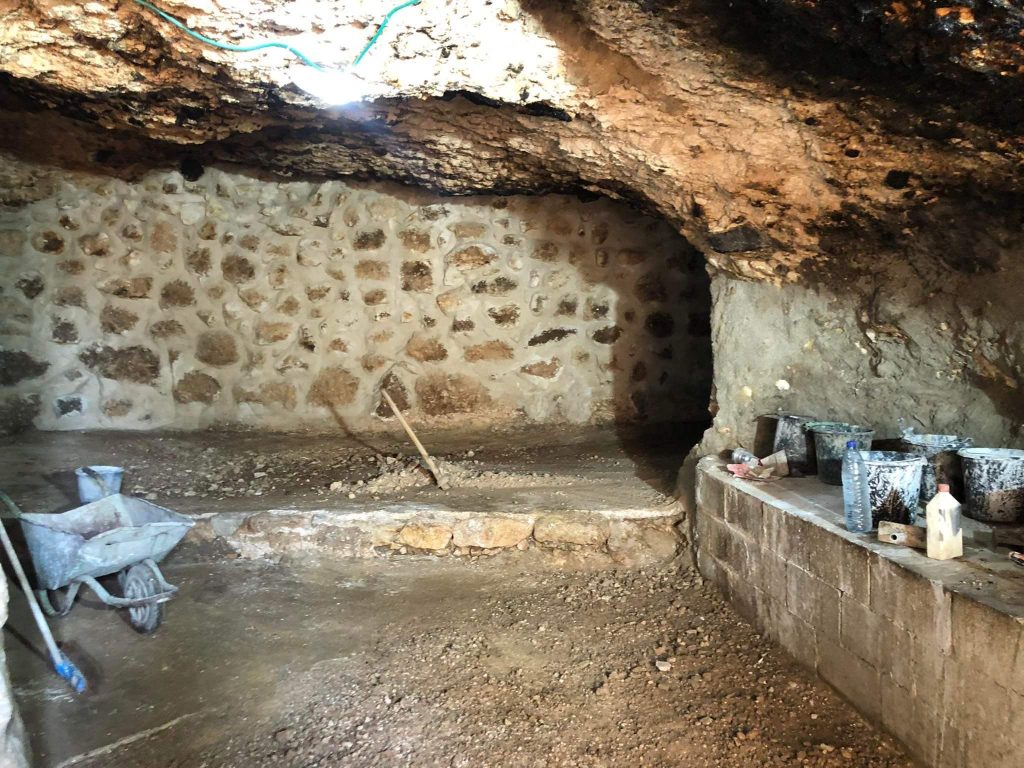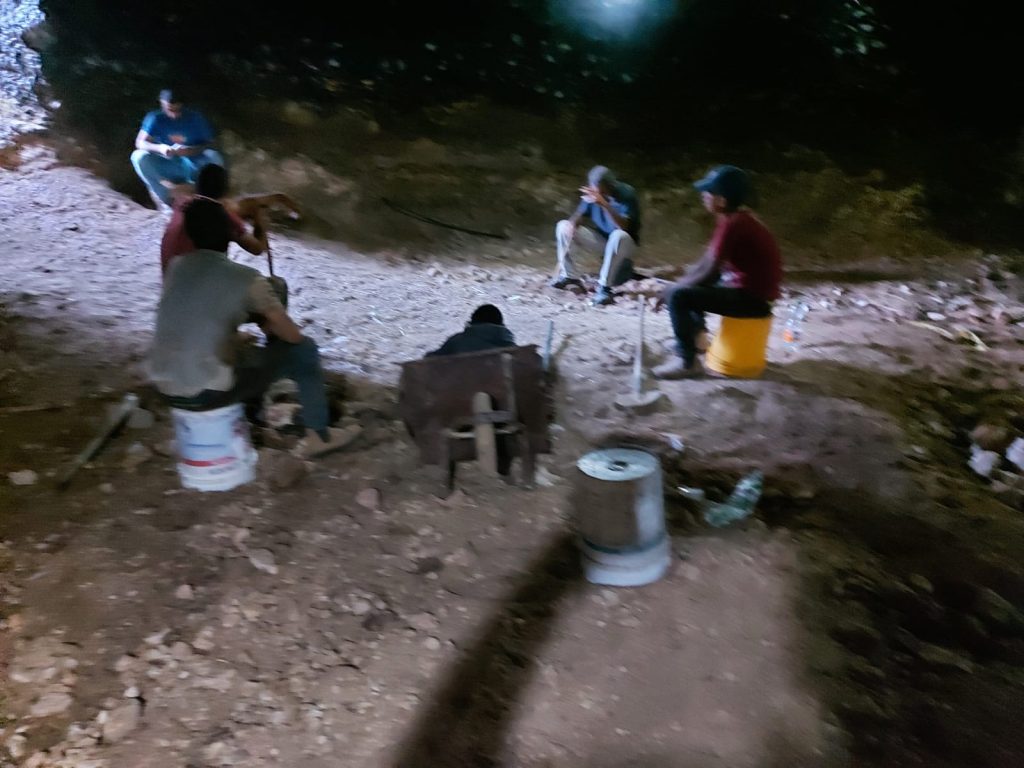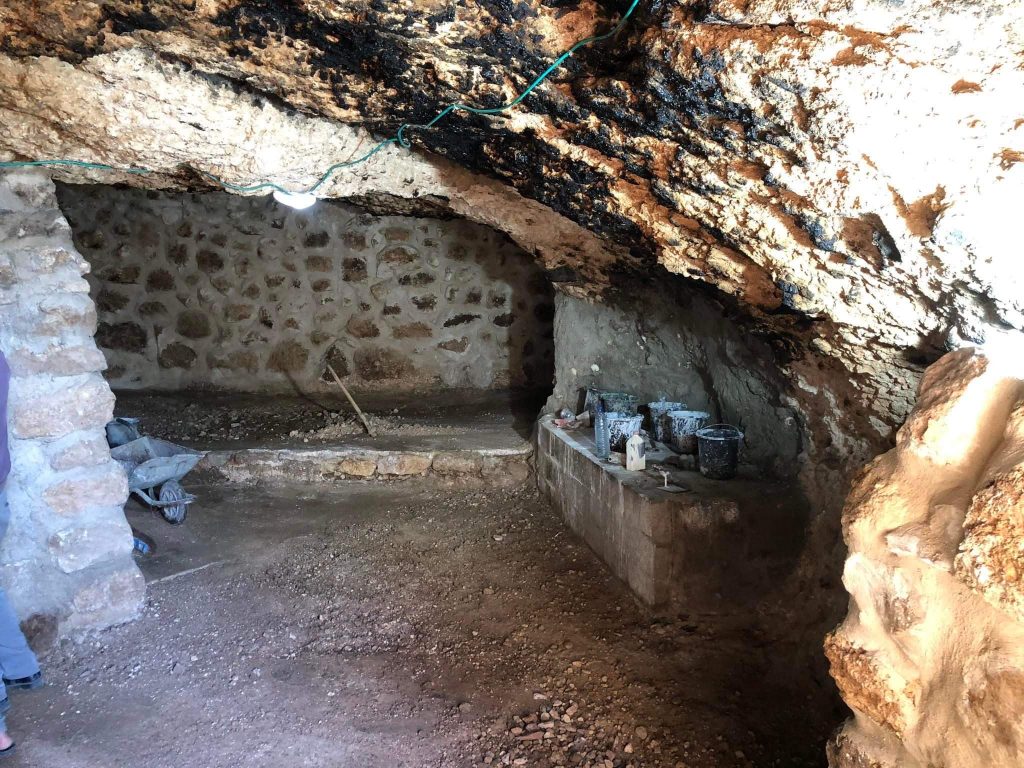
Cave Rehabilitation
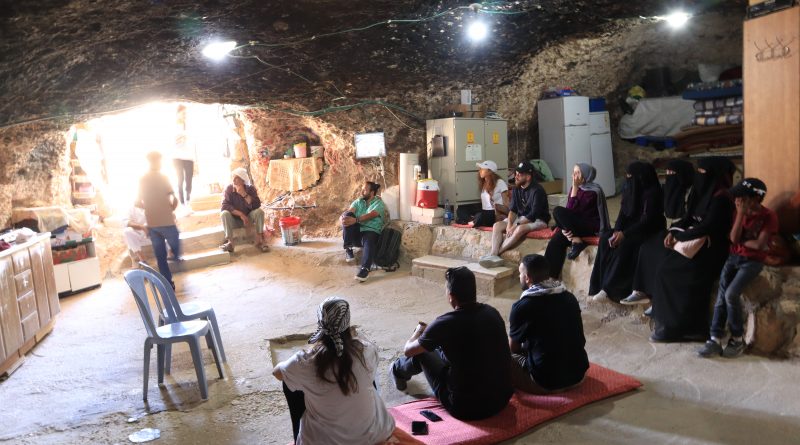
The caves, which the residents of Masafer Yatta call “Tour”, are among the most important landmarks of the archaeological Khirbat Al-Masafer. Many families still live inside these caves, and more than 200 inhabited caves have been documented in various ruins such as Al-Mufaqarah, Maghayir Al-Abeed, Al-Markaz, Al-Halawa, Jinba, Sfai Al-Fouqa, and Al-Tahta. In addition, there are over 500 uninhabited caves in Masafer Yatta, according to field documentation.
Interviews with residents revealed that calling the caves “Tour” conveys a sense of strength and protection, while the word “maghara” (cave) is associated with weakness and stone. Hajjeh Nuzha Al-Najjar from Maghayir Al-Abeed says:
“The Tour is more pleasant and stronger than the maghara, even though the name Maghayir became associated with the slaves because they once lived there.”
Field surveys and interviews indicate that the caves are concentrated in areas inhabited by farmers from Yatta, and they form an essential part of their heritage. In contrast, the eastern part of Masafer Yatta, inhabited by Bedouins displaced from Beersheba in 1948, contains far fewer caves. This confirms that the caves are part of the farmers’ heritage, not the Bedouins’, who traditionally live in tents made of animal hair or plastic tents provided by some national and international organizations.
The survey also revealed that the caves date back to multiple historical periods, from the Canaanite, Greek, and Roman eras to the Islamic period. The historical period of each cave can often be identified by its door and entrance designs and the slope of the interior. According to the survey and interviews, the oldest ruins are Jinba and Maghayir Al-Abeed, which contain caves dating back to the Canaanite era.